Source heavy duty cargo truck chassis for construction, logistics, and mining
Compare 30 heavy duty cargo truck chassis options with varying load capacities from 30T to 50T. Buyers can evaluate specifications including engine models, wheelbases, and certifications like ISO and CCC for diverse industrial needs.
Key considerations
Products List




Comprehensive Sourcing Guide
Strategic Sourcing Guide for Heavy Duty Cargo Truck Chassis
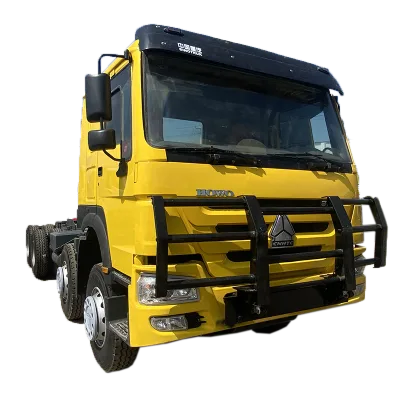
The global market for heavy-duty cargo truck chassis is defined by a complex interplay of load capacity, regulatory compliance, and operational versatility. For procurement professionals, the initial step involves distinguishing between specialized semi-trailer chassis and complete vehicle configurations designed for heavy haulage. The available data indicates a diverse product landscape ranging from standard flatbed configurations to specialized engineering cabs, with origins primarily traced to major manufacturing hubs in China. Understanding the specific technical parameters, such as load capacity variations and chassis dimensions, is critical for aligning procurement with logistical requirements. This guide provides a structured approach to evaluating heavy-duty chassis, ensuring that buyers can navigate the market without relying on unverified claims or generic assumptions.
Technical Specifications and Configuration Analysis
When sourcing heavy-duty cargo truck chassis, the primary technical differentiator is the load capacity and the structural configuration. Market observations reveal significant variance in load-bearing capabilities, with specific models cited with capacities of 30 tons and others engineered for 50 tons. This distinction dictates the selection of the chassis frame, suspension system, and axle configuration. For instance, a 30-ton chassis may utilize a standard wheelbase configuration, whereas a 50-ton unit often requires a reinforced frame and a more robust axle setup to handle the increased gross mass.
The physical dimensions of the chassis are equally critical for compatibility with cargo types and regulatory road limits. Observed standard dimensions for flatbed configurations include lengths around 12,500 mm, with widths varying between 2,500 mm and 2,550 mm, and heights generally standardized at 1,550 mm. These dimensions are essential for calculating cargo volume and ensuring the vehicle fits within international shipping container constraints or specific road width regulations. Furthermore, the wheelbase is a key performance metric; data points indicate ranges from 7,000 mm to 8,000 mm for certain semi-trailer models, while complete vehicle models may feature complex wheelbase configurations such as 5,850 mm plus 1,350 mm or 2,050 mm plus 4,400 mm plus 1,350 mm.
Engine selection and transmission compatibility are also vital components of the chassis specification. Heavy-duty applications often require high-torque diesel engines, with specific models like the Ycs06270-60 and L9ns6b400 appearing in the market data. The choice of engine directly impacts fuel efficiency and maintenance cycles. Additionally, the cab configuration varies significantly, ranging from standard engineering cabs to luxury flat-top designs like the D560, which offers enhanced operator comfort for long-haul operations. The tire specifications, such as 12r22.5 or 11.00r20 18pr, must be matched to the load capacity and terrain conditions to ensure safety and durability.
Compliance, Certification, and Regulatory Standards
Navigating the regulatory landscape is a fundamental requirement for any B2B procurement of heavy-duty chassis. Compliance is not merely a formality but a prerequisite for legal operation and insurance validity. The market data highlights several certification standards that buyers should verify, including CCC (China Compulsory Certification), ISO, CE, RoHS, and GS. These certifications indicate that the manufacturer adheres to specific safety, environmental, and quality management protocols. For example, the presence of ISO certification suggests adherence to international quality management systems, while CE marking is often required for entry into European markets.
It is imperative for buyers to distinguish between product-level certifications and factory-level accreditations. Some listings may reference "ISO/TSCCC" or combinations of standards like "ISOCE, RoHS, GS," which implies a multi-faceted compliance approach. However, buyers must verify that these certifications are current and applicable to the specific model being purchased. The absence of an Anti-lock Braking System (ABS) in some listed configurations is a notable observation that requires immediate attention. In many jurisdictions, ABS is a mandatory safety feature for heavy-duty vehicles. Procurement teams must explicitly confirm the presence of braking systems, such as the Wabco brand emergency relay valve, to ensure the vehicle meets local safety regulations.
Standardization of dimensions and weight limits is another area where compliance is critical. The observed standard dimensions, such as 12,500 mm by 2,500 mm by 1,550 mm, must be cross-referenced against the road regulations of the destination country. Exceeding standard width or height limits can result in fines or operational restrictions. Buyers should also verify the Gross Mass (Kg) ratings, which range from 18,100 kg to 41,000 kg in the observed data. Ensuring that the chassis Gross Mass aligns with the intended cargo weight and legal axle load limits is essential for avoiding regulatory penalties.
Cost Drivers and Pricing Dynamics
The pricing of heavy-duty cargo truck chassis is influenced by a multitude of factors, including load capacity, engine specifications, and the level of customization. The observed price range in the market is extremely broad, spanning from $1.50 to $800,000 USD. This vast disparity indicates that the market includes both component-level pricing and complete vehicle configurations. Buyers must be cautious not to equate low-end component prices with the cost of a fully operational heavy-duty truck. The actual cost of a complete chassis will depend heavily on the engine model, cab type, and the inclusion of advanced safety features like ABS and specific braking systems.
Minimum Order Quantity (MOQ) is another significant cost driver. The data shows an MOQ range from 1 unit to 5,000 units. For buyers seeking a single unit or a small fleet, the per-unit cost will likely be higher due to the lack of economies of scale. Conversely, large fleet operators may negotiate lower unit prices by meeting higher MOQ thresholds. The customization options available, such as specific wheelbase adjustments or cab configurations, can also add to the base cost. Buyers should request detailed breakdowns of costs associated with customization to understand the true value proposition.
Packing and shipping methods also impact the final landed cost. The market offers options ranging from container packing to bulk shipping and nude packing. Container packing may incur higher shipping costs but offers better protection during transit, while bulk shipping might be more cost-effective for large orders but requires careful handling to prevent damage. Buyers should factor in these logistics costs when comparing total procurement expenses across different suppliers.
Typical Applications and Operational Use Cases
Heavy-duty cargo truck chassis are designed for a variety of demanding applications, ranging from construction material transport to long-haul logistics. The flatbed configuration, with its open design, is particularly suited for transporting oversized cargo, construction equipment, and steel beams. The 30-ton and 50-ton load capacities make these chassis ideal for heavy industrial applications where standard light-duty trucks would be insufficient. The specific wheelbase configurations, such as the 7,000-8,000 mm range, provide stability for long loads, while shorter wheelbases offer better maneuverability for urban environments.
The choice of cab and engine also influences the application. Luxury flat-top engineering cabs, such as the D560, are often selected for long-haul routes where driver comfort and fatigue management are priorities. In contrast, standard engineering cabs may be preferred for short-distance, high-frequency operations. The diesel engine options, including models like the Ycs06270-60, are selected for their torque output and fuel efficiency, making them suitable for continuous operation in heavy-duty environments.
Furthermore, the customization availability allows for specialized applications. For instance, the absence of self-dumping mechanisms in some models indicates that these chassis are designed for flatbed use rather than dump truck applications. Buyers must align the chassis configuration with their specific cargo needs. If the operation involves frequent loading and unloading of bulk materials, a chassis with a specialized suspension and braking system is essential. The observed data suggests that the market offers a wide range of configurations to meet these diverse operational requirements.
Supplier Evaluation and Quality Assurance
Evaluating suppliers for heavy-duty chassis requires a rigorous approach to quality assurance and reliability. Buyers should prioritize suppliers who can provide verifiable evidence of their certifications, such as CCC, ISO, and CE. The origin of the product, often listed as Hunan, China, or simply China, should be verified to ensure it aligns with the buyer's sourcing strategy and risk tolerance. It is crucial to avoid suppliers who cannot provide clear documentation regarding their manufacturing processes and quality control measures.
Quality control should extend beyond the initial inspection to include long-term performance monitoring. Buyers should inquire about the availability of spare parts and the supplier's support network. The presence of specific components, such as Wabco brand valves or Fuwa king pins, can serve as indicators of the quality of the supply chain. However, buyers must verify that these components are genuine and not counterfeit. The condition of the product, consistently listed as "New," should be confirmed through physical inspection or third-party verification before finalizing the purchase.
Supplier reputation and track record are also critical factors. While specific supplier names should not be recommended, buyers should look for evidence of successful deliveries and customer satisfaction. The ability to offer both container and bulk packing options suggests a flexible logistics capability, which is a positive indicator of a reliable supplier. Buyers should also assess the supplier's response time and communication efficiency, as these factors can significantly impact the procurement process.
Long-Term Procurement and Lifecycle Management
Long-term procurement considerations for heavy-duty chassis extend beyond the initial purchase price. Buyers must evaluate the total cost of ownership, including maintenance, fuel efficiency, and resale value. The choice of engine and transmission system plays a significant role in fuel consumption and maintenance intervals. Engines like the Ycs06270-60 and L9ns6b400 are known for their durability, but buyers should verify the availability of service centers and spare parts in their operating regions.
The customization options available, such as specific wheelbase or cab configurations, can impact the resale value of the vehicle. Standard configurations are generally easier to resell than highly specialized models. Buyers should consider the flexibility of the chassis to adapt to changing operational needs. For example, a chassis with a standard flatbed configuration may be more versatile than a specialized model designed for a single type of cargo.
Finally, buyers should plan for the lifecycle of the vehicle. Heavy-duty chassis are expected to operate for many years, and the initial investment should be justified by long-term performance. Regular maintenance schedules and the availability of technical support are essential for maximizing the lifespan of the vehicle. By focusing on these long-term factors, buyers can ensure that their procurement decisions align with their strategic operational goals and deliver sustainable value over time.
FAQs
What certifications are available for heavy duty cargo truck chassis?
Available certifications include CCC, ISO, CE, RoHS, and GS. Buyers must verify that these standards apply to the specific model, as some listings combine multiple certifications like ISO/TSCCC while others list CE or GS separately for compliance verification.
Which load capacities are offered for heavy duty cargo truck chassis?
Observed load capacities range from 30 tons to 50 tons. The 30-ton chassis typically uses standard wheelbases, while the 50-ton unit requires a reinforced frame and robust axle setup to handle the increased gross mass safely.
Can heavy duty cargo truck chassis be customized for specific needs?
Customization is available for wheelbase, cab configuration, and packing methods. Buyers can select between container packing, bulk shipping, or nude packing, and choose specific engine models like Ycs06270-60 to match operational requirements.
How does the wheelbase affect heavy duty cargo truck chassis performance?
Wheelbase ranges from 7,000 to 8,000 mm for semi-trailers and varies for complete vehicles. Longer wheelbases provide stability for heavy loads, while complex configurations like 5,850 mm plus 1,350 mm offer maneuverability for specific cargo types.
What is the minimum order quantity for heavy duty cargo truck chassis?
The minimum order quantity ranges from 1 unit to 5,000 units. Single-unit buyers may face higher per-unit costs, while large fleet operators can negotiate better rates by meeting higher MOQ thresholds for bulk procurement.
Which engine models are used in heavy duty cargo truck chassis?
Common engine models include the Ycs06270-60 and L9ns6b400 diesel engines. These high-torque engines are selected for fuel efficiency and durability, directly impacting maintenance cycles and operational costs for heavy haulage applications.
What dimensions are standard for heavy duty cargo truck chassis?
Standard dimensions include lengths around 12,500 mm with widths between 2,500 mm and 2,550 mm. Heights are generally standardized at 1,550 mm, ensuring compatibility with international shipping containers and specific road width regulations.